






Reprint of story first appearing in Carolina Gardener.
As the evening light wanes, I step out the back door of my suburban home, entering my wildlife habitat. If I was seeking some alone time, I’ve come to the wrong place.
Many familiar friends are waiting for me. Butterflies are flying above the heads of a resident box turtle, a few frogs, and a pair of anoles. Dragonflies are avoiding the praying mantis; the yellow garden spider weaves a web to welcome guests, and mosquitoes are arriving for the bat buffet.
Many birds are taking flight; others are chirping and bees are buzzing. Can you hear the buzz? As I look around my wildlife habitat, I realize that each are here by invitation. It really is true, if you build it, they will come.
Creating a wildlife habitat is simple to do and richly rewarding. Your wildlife garden can be a container garden, a corner carved out in a traditional landscape, or an entire suburban lot. As we continue to find ways to reduce lawn areas, making a sunny spot for a wildlife habitat is the perfect solution.
Simply provide food, water, cover, and places to raise their young and you will create a wildlife habitat.
FOOD
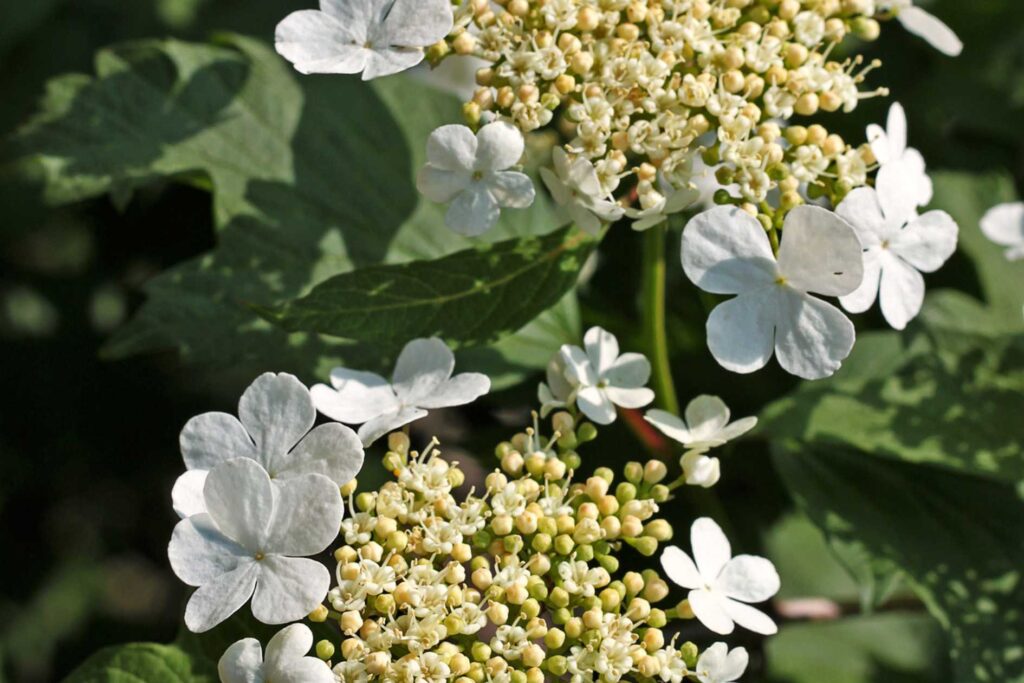
To attract wildlife, provide the kinds of food wildlife need – either naturally or with supplements. Also consider their various food needs at different stages of the wildlife’s lifecycle. For example, the larvae stage of the butterfly feeds on specific host plants depending the type of butterfly, yet adults will sip the nectar of most flowers with an umbel shape, making a landing pad for easy feeding.
The more variety of food sources provided, the greater variety of wildlife you’ll attract. Various seeds, nuts, cones, berries, fruits, nectar, sap, and pollen are all good food sources.
The use of regionally native plants is also recommended, providing 10 to 50 times more food to the wildlife’s likings. Food can also be supplemented with feeders to hold seed, suet, and nectar.
WATER
A clean, reliable water source is a key part to creating a wildlife habitat. Water is needed for drinking and bathing. Locating the water source within an easy view also makes it entertaining for the homeowner. Providing water can be as simple as adding a birdbath. Add multiple locations, at varying heights, to attract a greater variety of wildlife. It is important to provide water year round, even in the winter and, of course, during times of drought.
COVER
Wildlife needs cover for protection against the elements and predators. Having a place to escape the threat of pending danger attracts more to the garden. A variety of plant life ranging in size, height, and density with trees, shrubs, perennials, annuals, vines, and ornamental grasses, will increase your chances of attracting more kinds of wildlife.
PLACES TO RAISE YOUNG
The cover provided also gives your wildlife a safe place for reproduction and nurturing wildlife young. In a backyard, dense shrubbery and nesting boxes provide safe areas for birds to nest. Different animals have different needs, including certain wildlife requiring water to raise their young, such as salamanders, frogs, and dragonflies.
Sustainable gardening practices will also benefit your wildlife habitat, such as controlling non-native and invasive species, eliminating or reducing the use of pesticides, use of mulch and reducing, lawn size.
Take comfort in providing for the wildlife. With good sustainable gardening practices, you are also creating a safe haven for your own habitat, as well.
Invite the wildlife to your garden; it’s all the buzz!
Sidebar
In 1973 the National Wildlife Federation, the nation’s leading conservation organization protecting wildlife and their habitats, began a Certified Wildlife Habitat program for your backyard — a wonderful resource, whether you choose to certify your backyard or to use this information as a tool to make your garden more wildlife friendly. To learn more about certifying your backyard, visit the NWF at www.nwf.org or 1-800-822-9919.
Helen’s Top Twelve Wildlife Friendly Flower Picks
- Asclepias tuberosa; Milkweed
- Achillea millefolium; Yarrow
- Echinacea purpurea; Purple Coneflower
- Eupatorium dubium ‘Little Joe’; Dwarf Joe-Pye Weed
- Liatris spicata; Blazing Star
- Phlox paniculata ‘David’; Garden Phlox
- Rudbeckia fulgida ‘Goldstrum’; Black-eyed Susans
- Silphium perfoliatum; Cup plant
- Salvia ‘Black and Blue’; Black and Blue Salvia
- Sedum ‘Autumn Joy’; Autumn Joy Sedum
- Verbena bonarienis; Brazilian Verbena
- Zinnia
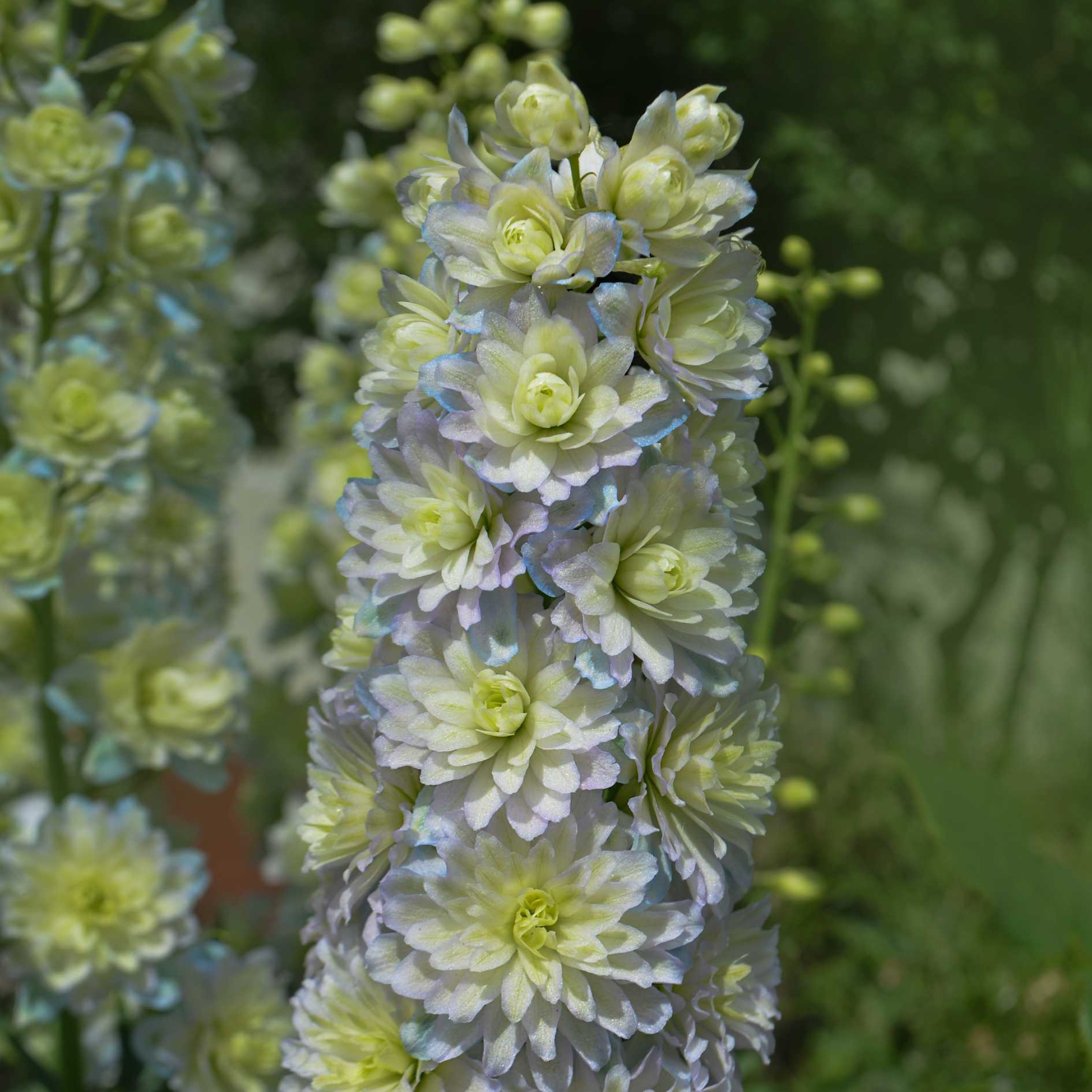
It’s worth noting, most of the new double flowering cultivars, while beautiful in the garden, are of little use as a nectar and pollen source to bees and other insects as many of these new cultivars are bred with the pollen bearing anthers replaced by extra petals.
By: Helen Yoest
The TarHeelGardening blog is published and edited by Helen Yoest. For more information on Tarheel Gardening, please visit our website at Tarheel Gardening - your online resource for North Carolina gardening enthusiasts.
Sponsored by the North Carolina Nursery and Landscape Association