








Are you finding your daylily bloom numbers fading? Is your Sedum splaying? Do your daisies die out in the center? Have your hostas become too big for their homes? Dividing perennials can rejuvenate older plantings and give you more plants.
When many perennials become too crowded, they will not perform at their best. Giving perennials more room to spread will help rejuvenate their blooms. Dividing perennials also makes new plants to share with friends or to add to other areas in the garden.
The general rule of thumb is to divide fall blooming perennials in the spring and spring/summer blooming perennials in the fall. This fall is the perfect time to divide your spring and summer bloomers. Transplanting in the fall will give the plant time to grow a strong root system before it’s time to bloom again.
Here’s how to do it:
PREPARATION: Thoroughly water the plant needing division a day before. This will help soften the ground making removal easier. If you forget, just water well before digging.
Ideally, to reduce stress from the division, you will begin a project early in the morning or later in the evening when the sun is low (or on a cloudy day) and when rain is forecasted.
DIG – Using a sharp shovel, begin digging, straight down, at the plant’s drip line, severing the roots as you go around the plant. Circle around the plant again, this time cutting at an angle, under the clump, until the plant can easily be lifted.
DIVIDE – After the plant has been removed, shake off excess soil from the roots (and use water, if necessary,) so you can easily see where to divide. Carefully inspect the rootball for disease and to see how best to divide the plant. There are many root types; generally, look for natural divisions or crowns. Divide with a serrated knife, making several cuts depending on the size of the clump. Make the divisions large, leaving 2 – 3 crowns for each new plant. This will help the division to establish faster.
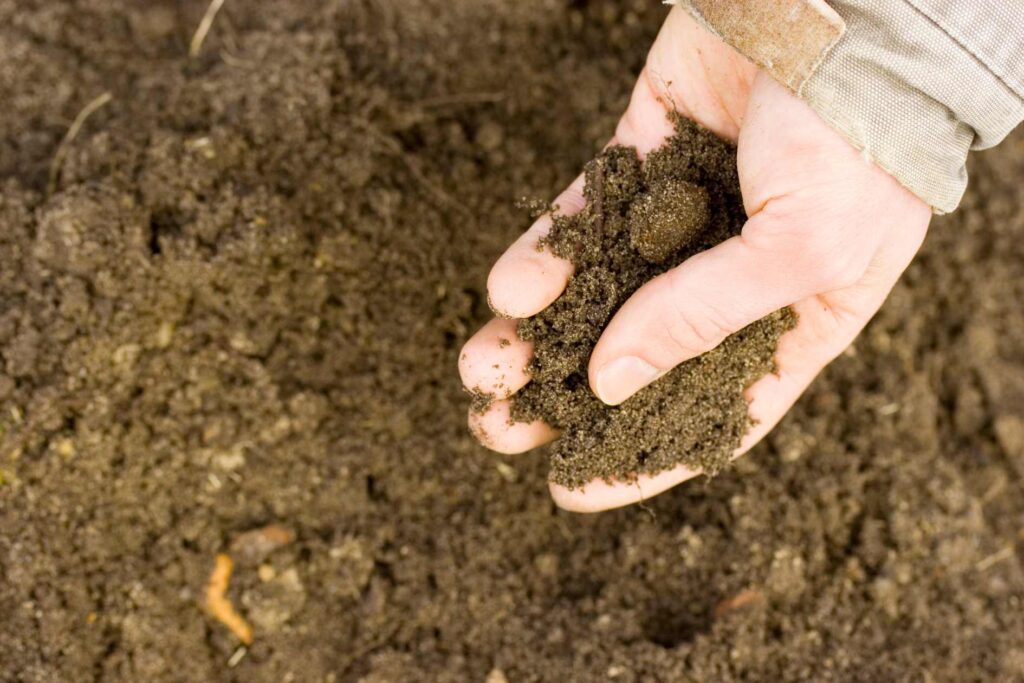
REPLANT DIVISIONS – Dig new holes that are at least as wide as the roots of the divisions when spread out; work in organic matter into the soil. Cut back foliage on all your divisions so the plant puts its energy into establishing and making new roots. Plant at the same level (or higher) than the level it was removed. Firmly press the soil, but not overly compacting. Water in well.
If you are transplanting, it’s handy to prepare the new holes before you start to dig. This will minimize the amount of time the plants are out of the ground.
If you plan to share your plants with gardening friends, keep plants cool and moist by putting into a box or store in a cool shaded area such as the garage. The new divisions can also be covered with wetted newspaper until they can be shared. For best results, don’t let the divisions dry out.
A few minutes this fall can make your spring and summer soar.
By: Helen Yoest
The TarHeelGardening blog is published and edited by Helen Yoest. For more information on Tarheel Gardening, please visit our website at Tarheel Gardening - your online resource for North Carolina gardening enthusiasts.
Nice simple easy to follow instructions-timely too!