










How-to compost

Waste not, want not; right? But it happens. When it does, where does your kitchen waste go? When you’re making a salad, finishing an apple, peeling an onion, or trimming vegetables, where does the waste end up? If you answered the compost pile, you are part of a growing number of home gardeners composting their kitchen waste.

Composting is simple and easy to do. There a few approaches to building a compost pile.  Choose whatever type suits your garden — a three-bay heap for a large property, a classic upside-down-bin style to place in an average garden, a tumble-type bin that neatly sits on a paved area or a covered pail to keep in the kitchen. Or simply a place where you can pile leaves, grass clippings, and kitchen waste in a secluded corner of the property.

Compost systems can be either hot or cold.  Hot requires a regular turning maintenance.  You don’t have to turn a cold compost pile, but takes longer to break down. However, if you have the room, it is the easiest way to compost.  In cold composting, kitchen waste only needs to be piled.  After it reaches a certain height, start another.  When the second one is full, go back to the first.  Chances are, it will be ready to use when you are.

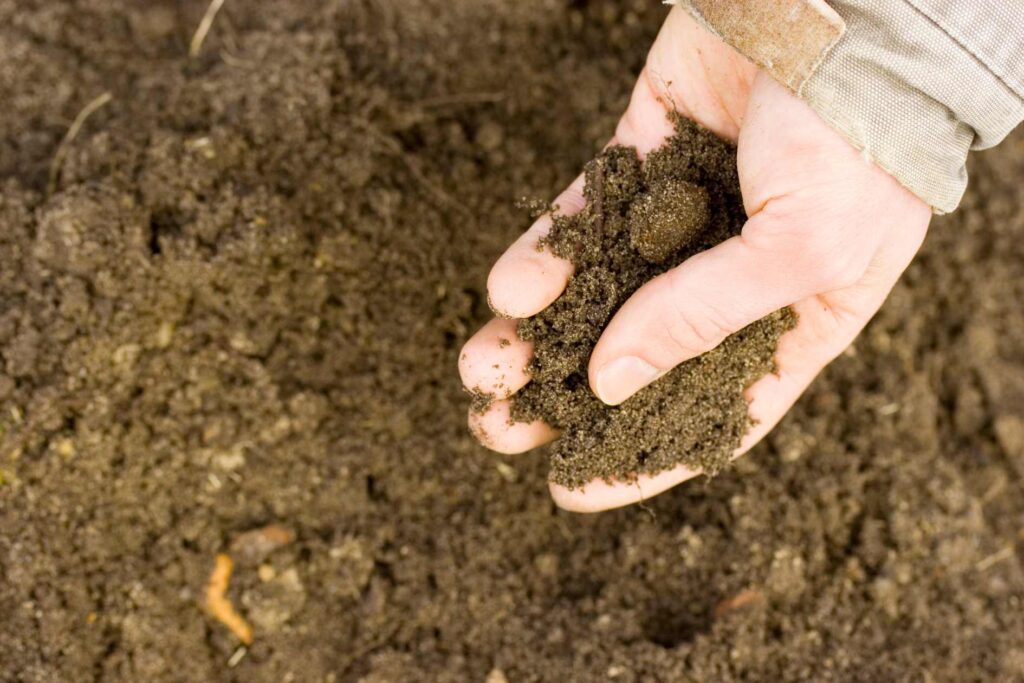
Mature compost ends up as a delightful humus to use as a soil conditioner, mulch, and fertilizer in your garden. It feeds the soil microorganisms for healthier plants, adds nutrients to the soil, and amends clay soil for better drainage and sandy soil to retain water.

When visitors come to my garden, I’m often asked why I don’t compost. “I do,” I tell them, “Why do you ask?” Their answers are always the same, they don’t see or smell it.

Compost piles don’t have to smell, nor do they need to be seen. Locate your compost pile in a handy spot to easily take your waste, but tucked away so not to be seen. A sunny location is ideal, but some shade is fine too.

There are two basic elements to make up a compost pile: green (nitrogen) and brown (carbon).

The green ingredients include green leaves, coffee grounds, vegetable trimmings, corn husks, apple cores, and the like.

The brown ingredients include wood ash, newspaper, paper towels, cardboard egg cartons, and such.

The amount of each is not an exact science and, in fact, Chris McLaughlin’s states in her book, The Complete Idiot’s Guide to Composting Chris says, “Skip the math. As easy rule of thumb is to put half carbon and half nitrogen into your compost pile to begin with. Then let the pile tell you what to toss in next. Whatever you do, don’t stress over it; compost happens.”

Compost also needs water to help the waste breakdown. In the absence of rain, water your compost pile. Too little water, slows down decomposition; to much water can cause the temperature of the pile to rise. The pile should be like a rung-out sponge. But again, if this is not monitored, eventually compost happens.

Turning the pile will hastens the decomposition by increasing airflow. To speed up decomposition, a weekly turning is recommended.

A hot compost system will be finished in about 2 months; in a cold system, about 6 – 12 months, depending on it’s size. In each case, you will know when your compost is finished when you can no longer identify any of the original materials.

It’s best not to put any animal products in the compost pile since they will attract unwanted critters. You can also refer to this list of six items not to compost.

Once you begin the habit of composting, it becomes just another level of the gardening experience – as natural as gardening itself. When your compost is finished, add to the garden beds and containers to enrich your soil and know you are helping your garden, one bit of waste at a time.
By: Helen Yoest
The TarHeelGardening blog is published and edited by Helen Yoest. For more information on Tarheel Gardening, please visit our website at Tarheel Gardening - your online resource for North Carolina gardening enthusiasts.

Sponsored by the North Carolina Nursery and Landscape Association

This entry was posted in How-tos, Sustainable Gardening Practices and tagged , , . Bookmark the permalink.

2 Responses to How-to compost

  1. Helen,
    I do what I call ditch composting. I dig holes all over my flower garden and I fill them
    with green garden waste and my kitchen garbage (no meat or dairy) than pile dirt back on top of the hole and hopefully next year it will be better dirt to plant in. What do you think? Will this work?

Leave a Reply

Your email address will not be published. Required fields are marked *

You may use these HTML tags and attributes: <a href="" title=""> <abbr title=""> <acronym title=""> <b> <blockquote cite=""> <cite> <code> <del datetime=""> <em> <i> <q cite=""> <strike> <strong>