



Pot ‘em up!

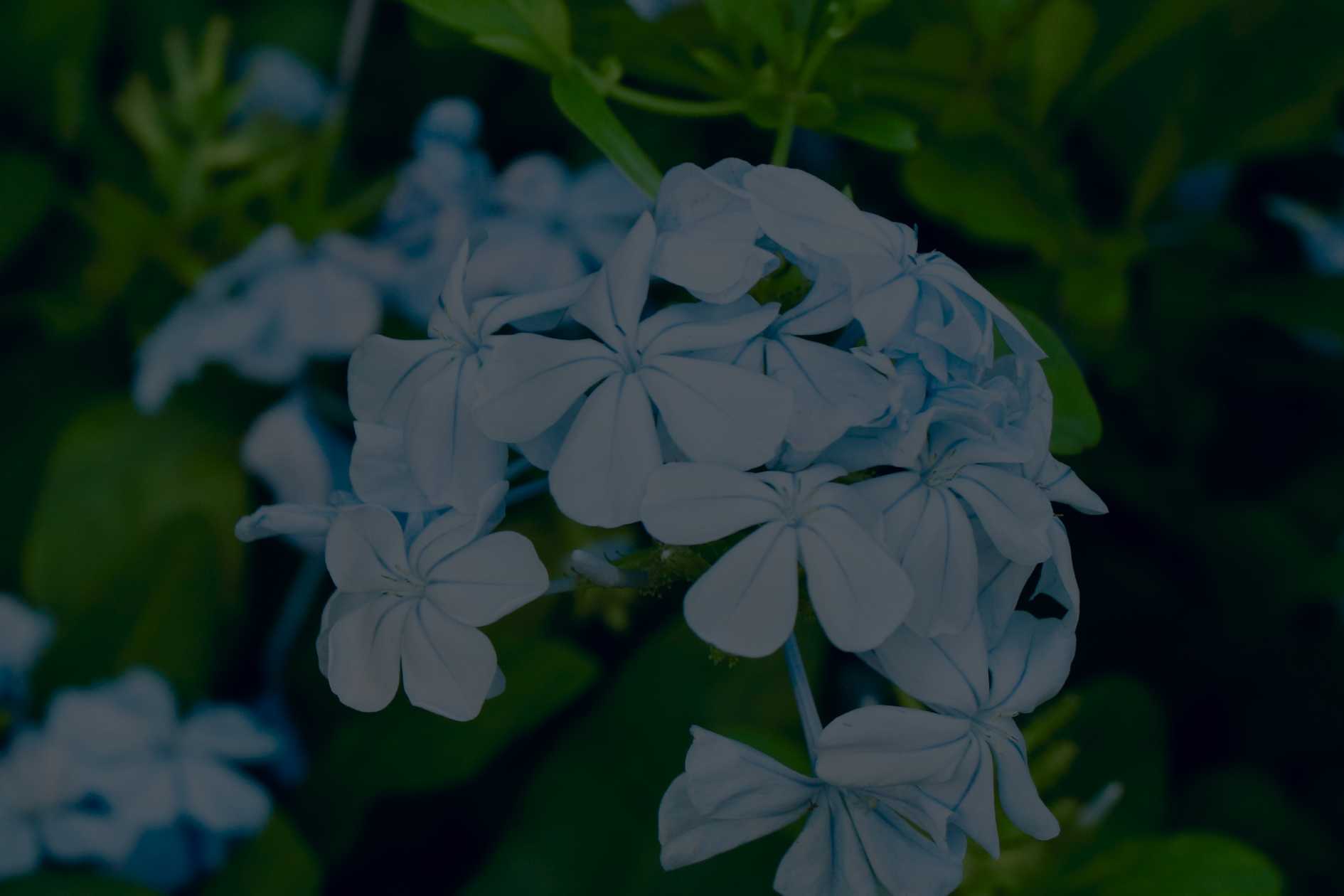
Don’t you love the lush and colorful plantings of summer flowering bulbs?  Often I see something like this (left), blooming in the summer and wish I’d thought to plant these lily bulbs, but then I realize it’s not too late.  I can have this whenever I find them for sale, blooming at the garden center!

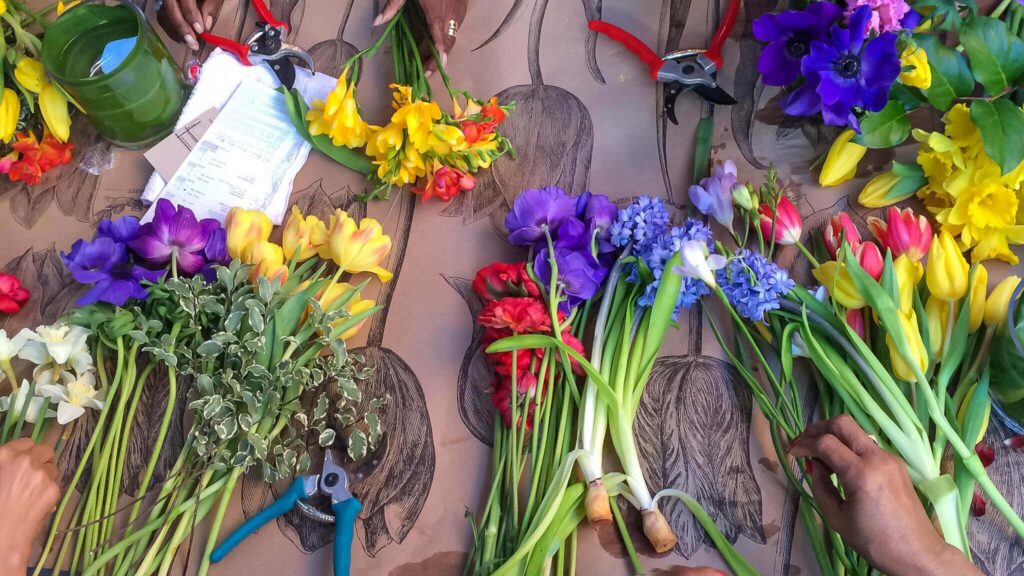
Sometimes we just need to step around the garden bed and remember we can use bulbs in a container gardening arrangement. In fact, we can make summer blooming bulbs the entire arrangement.   Buying them in bloom and putting them in a container is easy to do. Plus, and here’s the best part, it’s a task that will take less than five minutes, with no digging in the heat!

Here’s another advantage, once the flowers have bloomed out, the container can then be moved to a holding area or repotted for another display.

So this year when spying fabulous blooms and wondering where to put them, wonder no more; add them to a container, then keep a keen eye on the next blooming opportunity, ones that might have otherwise gotten away, and pot ‘em up!

By: Helen Yoest
The TarHeelGardening blog is published and edited by Helen Yoest. For more information on Tarheel Gardening, please visit our website at Tarheel Gardening - your online resource for North Carolina gardening enthusiasts.

Sponsored by the North Carolina Nursery and Landscape Association

Posted in Bulbs | Tagged , , , | 2 Comments

Pruning hydrangeas

It’s that time of year again where hydrangeas bring our months of May and June into focus.  We’re often asked about pruning hydrangeas.  The timing to prune will depend on the type of hydrangea you have.

There are three types of hydrangeas: Bigleaf, Smooth, and Hardy hydrangeas.

“The first step is to determine the variety of your hydrangea,” said Tim Wood, new product manager at Proven Winners ColorChoice. “This is fairly easy to do.”

Bigleaf hydrangeas – If your plant produces big pink or blue flowers, it is a Hydrangea macrophylla.

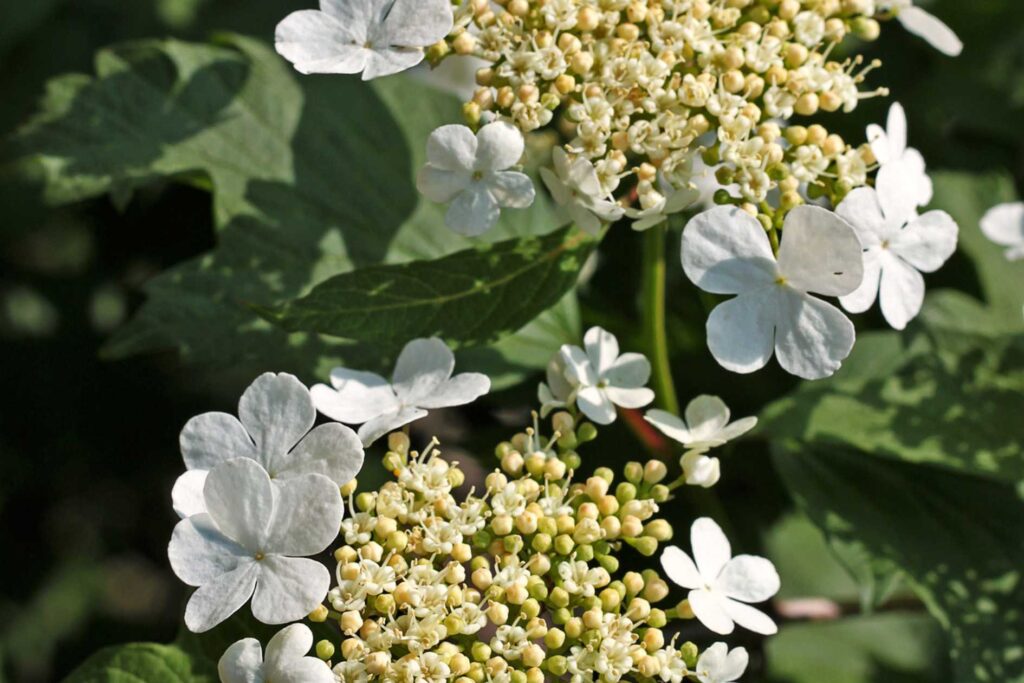
Smooth hydrangeas — If it’s flowers are round and white — or pink, as in the case of the new ‘Invincibelle Spirit’ — the plant is a Hydrangea arborescens.

Hardy hydrangeas – If the plant has large, conical flowers, which are often white, but may also be green or pink, the plant is Hydrangea paniculata.”

BIGLEAF HYDRANGEAS

Bigleaf hydrangeas (Hydrangea macrophylla), require little to no pruning.  For appearance sake, you can trim to shape, but only immediately after flowering.  Tim Wood says, “Never prune [Hydrangea macrophylla] in the winter or spring, because it sets flower buds the year before and if you shear it back, then you will cut off all the summer’s flowers.”

Examples of bigleaf hydrangeas are ‘Endless Summer’, ‘Blushing Bride’, and ‘Nikko Blue’.  Bigleaf hydrangeas are also know as mopheads.

SMOOTH HYDRANGEAS

Smooth hydrangeas (Hydrangea arborescens), require pruning in late winter or early spring.  These hydrangeas bloom on “new wood” — the current season’s growth –  wood that is new in the current season.  Prune it back in the winter or spring encourages new growth, resulting in more flowers.

“Pruning Hydrangea arborescens will also result in a fuller, stronger plant that’s less likely to flop under the weight of its abundant summer flowers,” says Tim Wood.  Cutting the stems back to one or two feet will leave a good framework to support the blooms.

Examples of smooth hydrangeas are ‘Annabelle’ and ‘Invincibelle Spirit’.

HARDY HYDRANGEAS

Hardy hydrangea (Hydrangea paniculata), require pruning in late winter or early spring as they bloom on “new wood.”  They can be cut back down to the ground of if you want a slightly higher bush, cut back to one to three feet.

Examples of hardy hydrangeas are ‘Snow Queen’ and ‘Limelight’.

A new variety of hardy hydrangea, ‘Little Lime’ hydrangea boasts the same colors and benefits of the famous ‘Limelight’ but about half the size, making it very suitable for home gardens, and not requiring as much pruning to manage it’s size.

So whether you are pruning your hydrangea to shape, to manage it’s size, or to encourage more flowers, timing is important.

In summary, the bigleaf hydrangeas require little pruning and only to shape immediately after flowering.  Smooth and hardy hydrangeas bloom on new wood, requiring pruning to increased flower production.  Prune these back in the late winter or early spring.

Hydrangeas do well in our North Carolina Gardens; this tine of year finds us looking around for a place to add another.

By: Helen Yoest
The TarHeelGardening blog is published and edited by Helen Yoest. For more information on Tarheel Gardening, please visit our website at Tarheel Gardening - your online resource for North Carolina gardening enthusiasts.

Sponsored by the North Carolina Nursery and Landscape Association

Posted in How-tos | Tagged , , , , , | 2 Comments

The North Carolina Nursery and Landscape Association

My friend, John Dole, Professor and Interim Head, Department of Horticultural Science, North Carolina State University, shared these stats with me.  I knew, but really had no idea.


Horticulture Industries and NC State University

Horticultural Science Department: A Partnership That Works!

North Carolina’s diverse horticulture industry impacts every county in the state. As the state’s agricultural industry evolves to meet changing economic conditions, scores of farmers enter horticultural crop production, creating on-farm and off-farm jobs in many rural areas. Most horticultural businesses are small, family owned companies – the sector which will help lead NC out of the recession. The NCSU Horticultural Science Department is working for NC and for NC’s horticultural industries.

How important is horticulture to North Carolina:
NC’s Green Industries contributed $8.6 billion dollars and 151,982 jobs to the state in 2005, with $912 million in sales at the farm alone in 2009.

NC’s horticultural vegetable, fruits and nut crops had $511 million in sales at the farm alone in 2009 (economic impact values not available).

Greenhouse and nursery crops rank third in NC agricultural statistics, after broilers and hogs for the top agricultural industries (2009).

NC produces 47% of the nation’s sweet potatoes (Ranked #1 in U.S.).

NC produces 24% of the nation’s Christmas trees (Ranked #2 in U.S.).

NC is the third largest producer of processing cucumbers.

NC is the fourth largest producer of greenhouse crops, nursery crops, and fresh market cucumbers.

NC has the largest single greenhouse in the U.S. and one of the most modern greenhouse production facilities worldwide, located north of Charlotte in Huntersville.

NC is in the top ten states for production of blueberries, cabbage, tomatoes, snap beans, apples, bell peppers, squash, watermelons, and grapes.

The NC peach industry generates more than $11-15 annually selling high-quality peaches directly to consumers.

The organic industry is the fastest growing segment of agriculture, with NC certified or exempt farms accounting for 9,600 acres and $53 million in sales in 2008

An astonishing array of specialty horticulture and natural products are being grown in NC, ranging from heirloom tomatoes to herbs to fresh cut flowers. These small but fast growing industries are hard to track, but gross returns can reach up to $40,000/acre. One example is the hops industry, which has increased from 1 grower in 2007 to 20 growers today, producing hops for 48 registered breweries and home brewers.


How NC State University has benefited horticultural industries:
MCP (SmartFresh), an anti-ethylene agent, that was developed at NCSU has revolutionized the apple industry, both in NC and worldwide, and was adapted for industry use by Horticultural researchers. It is considered the most significant development in postharvest research – for all crops and for basic science – in the last 30 years. The technology is also used in other horticultural postharvest applications such as cut flowers.

NCSU varieties of sweet potatoes are planted on approximately 80% of the acres in NC.

Covington alone provided $150 million in gross revenue to the sweet potato industry in 2010.

Plants released by the JC Raulston Arboretum at NCSU have contributed $10.5 million/year to the ornamental nursery industry.

NCSU varieties of blueberries are planted on approximately 68% of the blueberry acres in NC.

NCSU varieties of blueberries provided approximately $33 million in gross revenue to North Carolina farmers in 2010.

NCSU blueberry variety O’Neal was the most widely planted variety in warm blueberry production areas worldwide in 2005.

The percent of NC tomato acreage planted to NCSU varieties in 2010: Approximately 60%.

The gross revenue of NCSU’s tomato varieties in 2010: $17 million.

NCSU breeding is reviving the raspberry industry in western NC with the new variety, Nantahala, released in 2007.

NCSU peach breeders and researchers have developed profitable peach varieties and management strategies.

New NCSU varieties of ornamentals such as butterfly bush, redbud, hydrangea, flowering quince, summersweet, hypericum, pearlbush, and sweetshrub support NC’s $777 million dollar (farm gate) nursery crop industry.


How NC State University Horticultural Science Department is responding to the challenges:
NCSU’s Horticultural Science Department was ranked among the top three departments in the country in 2010 by an independent review team.

Horticulture Researchers have generated an average of $5 million / year in outside funding to support their programs. One researcher alone has raised $5.2 million over the last ten years in National Science Foundation funding and $483 thousand in USDA/AFRI funding.

The Department has developed a distance education curriculum, two certificate programs and one new distance education Master program to meet the horticulture education needs of NC citizens, many of whom are taking courses from their homes and offices.

Over the last 20 years, the department has graduated over 1900 undergraduate students, 900 in our 4-year Bachelor of Science program and 1000 in our 2-year Associate Degree program. In the past five years alone, 200 received their Bachelors degree, and 110 received their

Associate’s degree. In the last 10 year, the Graduate Program has completed 125 MS and PhD students. Many of the leaders in our horticultural industry are NC State Horticulture graduates.

The Master Gardener program has trained thousands of volunteers across the state to provide information to the public. In 2007 (most recent year for data), there were 4,084 Master Gardeners, 774 trained just that year. They answered 69,563 phone calls, examined 18,182 plant samples and coordinated 250 demonstration gardens, 97 school gardens and 494 school programs. Estimated value of services and funds raised to North Carolina: $4.4 million.

NCSU has created the Plants for Human Health Institute in Kannapolis to bring together Horticulture Scientists with researchers from a broad range of other fields to develop mainstream fruit and vegetable produce with enhanced health benefits and introduce new and underappreciated crops and products.

Faculty at the Mountain Horticultural Crops Research and Extension Center provide high quality research and extension programs for the people of western North Carolina.
In 2010, the NC Pesticide Safety Education Program provided state-wide educational programs on proper pesticide handling that were attended by 4,812 agricultural producers. These programs meet federal and state requirements for recertification of nearly 40% of our state’s farmers.

Helen  Yoest is a garden writer, speaker and garden coach through her business Gardening with Confidence™.

Posted in News | Tagged , , | Leave a comment

Let the annuals begin!

With the last frost behind us, it’s time to think about our summer gardens, particularly the planting of the annuals.

Long lasting, lingering lovelies, provide a base as perennial bloom-times run their course.

Planted after the threat of the last frost, annuals, those plants that germinate, flower, and die in one year, give you a swath of consistent color.

Beds of impatiens, begonias, and petunias can give continuous color in reds, whites, and pinks.  Add zinnias every two weeks for a continuous nectar source for butterflies, or you can put in patriotic plantings of red, white, and blue by pairing Alyssum, Geraniums, and Lobelias.  Potted up in containers or planted in beds, these will give you a summer of blooming pleasure.

For constant, continuous color and nectar, annuals are the annual choice.

By: Helen Yoest

The TarHeelGardening blog is published and edited by Helen Yoest. For more information on Tarheel Gardening, please visit our website at Tarheel Gardening - your online resource for North Carolina gardening enthusiasts.

Sponsored by the North Carolina Nursery and Landscape Association

Posted in Annuals | Tagged , , | 1 Comment

The Iris, the larkspur and the peony

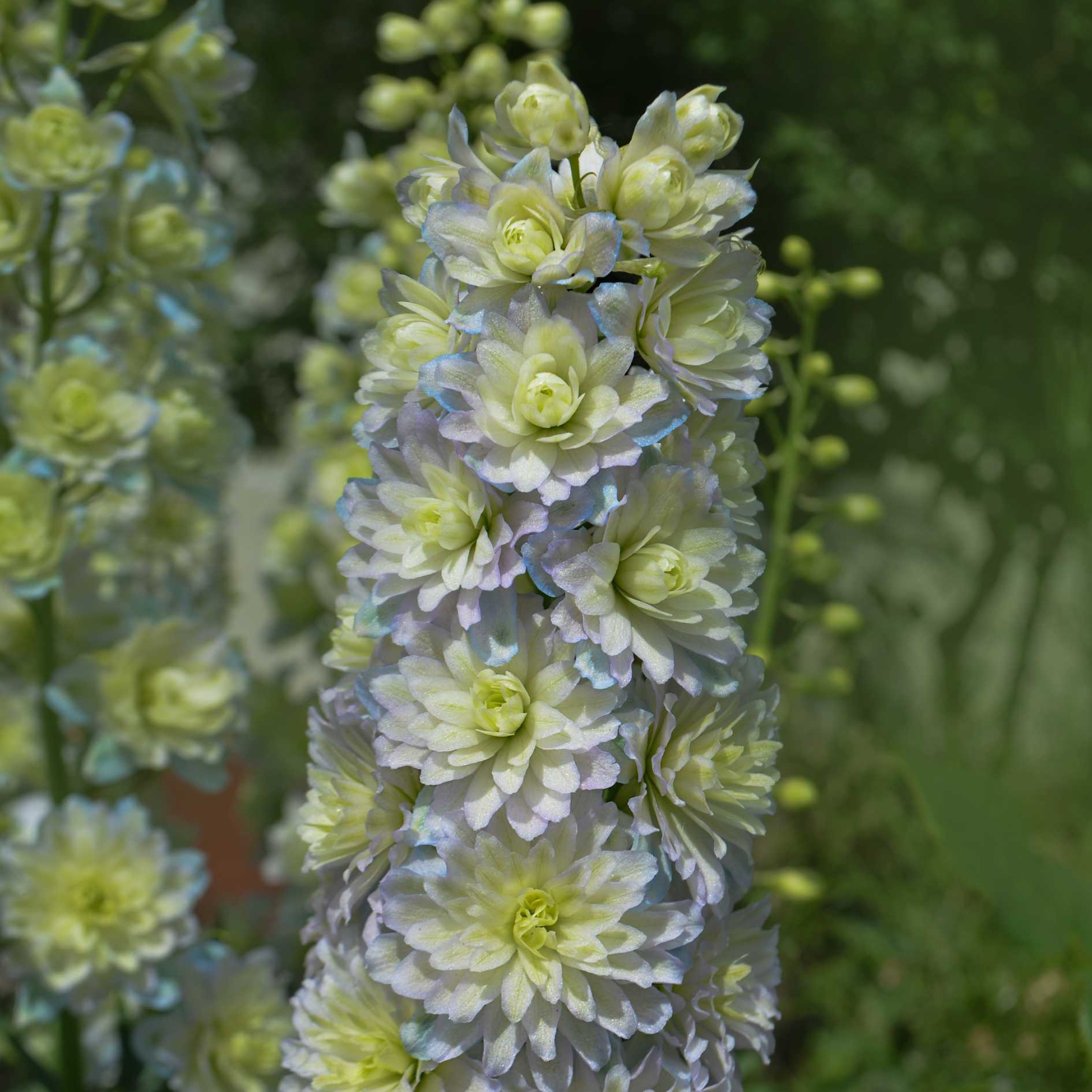
The Iris, the larkspur, and the peony.  It kind of sounds like a mystery series, doesn’t it?  And in many ways it is, but it doesn’t need to be.  It is possible to plan your garden to get three wonderful spring bloomers performing at the same time.

North Carolina is fortunate to have many triples of perfect blooms.  The azaleas, the dogwoods, and the redbuds in March and April and the Iris, larkspur, and peony in April and May.

Careful selection is required but very doable.  The exact cultivars of the Iris and Peony in this photo is not known, so if you want to replicate the look, it’s be best to build a bed by visiting the garden center during May.

In fact, as you have read here before, I often go to the garden centers, each month, to see what’s bloom. While at the garden center, take a moment to pull plants, with the same cultural requirements (same sun and watering requirements), from the shelves to design the perfect pairing for your beds, on the spot.

By visiting the garden centers in May, you will learn what varieties of Iris and peony bloom when so they can be paired with the larkspur blooming in the timeframe of May to June.

While it’s fun to have single blooms in succession, it is also rewarding to have groups of flowers blooming in succession.

In your sunny location, start with azaleas, dogwoods and azaleas, then move on to Iris, larkspur, and peony.  Come summer, the selection range widens even more.  Unleash your imagination, and create your perfect spring pairings.

By: Helen Yoest
The TarHeelGardening blog is published and edited by Helen Yoest. For more information on Tarheel Gardening, please visit our website at Tarheel Gardening - your online resource for North Carolina gardening enthusiasts.

Sponsored by the North Carolina Nursery and Landscape Association

Posted in Design Ideas | Tagged , , , , , | 1 Comment